.png?width=201&height=201&name=Maintenance%20(Videoannonce%20%E2%80%93%20LinkedIn).png)

The Real Cost of Fragmented Student Progress Tracking in Flight Schools

Introduction: The Hidden Impact of Fragmented Tracking
In today’s competitive flight training environment, student progression is more than a metric - it is the foundation of school reputation, regulatory standing, and operational efficiency. Yet, many flight schools still rely on a patchwork of spreadsheets, paper logbooks, and disconnected digital tools to track student progress. While these workarounds may seem manageable day to day, the true cost of fragmented tracking is often hidden until it manifests as missed pass rates, delayed completions, and compliance headaches. For certified flight instructors and training leaders, understanding these risks is the first step toward building a more resilient, student-centered training operation.
How Disjointed Systems Undermine Student Success
When student records are scattered across multiple platforms, instructors lose the ability to see the full picture. Ground school achievements may be logged in one system, while flight milestones live in another. Feedback is often buried in email threads or handwritten notes, making it difficult to provide timely, actionable guidance. This fragmentation leads to several critical issues:
- Inconsistent Grading and Feedback: Without a unified grading interface, instructors struggle to maintain objectivity and consistency. Students may receive conflicting evaluations, undermining their confidence and slowing their progression.
- Delayed Intervention: Early signs of a student falling behind are easy to miss when data is siloed. Instructors may only realize a problem exists after it has escalated, making recovery more difficult and increasing the risk of dropouts.
- Administrative Overload: Double-entry of information across paper, Excel, and various digital tools not only wastes valuable instructor time but also increases the likelihood of errors. This administrative burden detracts from time spent instructing and mentoring students.
The result? Lower pass rates on key certifications, extended training timelines, and a diminished ability to help students succeed quickly and confidently.
The Compliance and Audit Trap: Risks of Siloed Data
Flight schools operate under strict regulatory frameworks such as FAA, EASA, or ANAC. Compliance is not optional; it is a daily reality that shapes every aspect of training operations. Fragmented tracking systems make it difficult to:
- Maintain Accurate Compliance Records: Tracking duty times, medical certificates, and syllabus milestones across multiple platforms increases the risk of missing critical deadlines or failing to document required training events.
- Prepare for Audits Efficiently: When records are scattered, audit preparation becomes a time-consuming, stressful process. Instructors and administrators must hunt for documents, reconcile discrepancies, and hope that nothing has slipped through the cracks.
- Respond to Regulatory Changes: Updating syllabi and lesson materials to reflect new standards is challenging when version control is unclear and materials are stored in different locations. This can lead to outdated instruction and non-compliance.
The consequences of non-compliance are severe, ranging from failed audits and reputational damage to regulatory penalties and student dissatisfaction.
Operational Inefficiency: The Instructor’s Daily Struggle
For instructors, the day-to-day impact of fragmented tracking is acutely felt. Managing both ground and flight training activities requires constant coordination, yet disconnected systems force instructors to:
- Manually check progress across ground and flight milestones
- Enter grades and feedback multiple times in different formats
- Coordinate with colleagues through ad hoc group chats or emails
- Spend hours each week updating manual trackers and reconciling records
These inefficiencies not only create frustration but also limit the instructor’s ability to focus on what matters most: teaching, mentoring, and ensuring student success. In a setting where every hour counts, reducing administrative overhead is essential for both instructor satisfaction and student outcomes.
Centralized Progress Tracking: A Path to Higher Pass Rates and On-Time Completions
The solution lies in adopting a centralized, integrated platform designed specifically for the unique demands of flight training. Platforms like FlightLogger bring all aspects of student management, grading, scheduling, and compliance into one connected environment. Here’s how this approach addresses the core challenges:
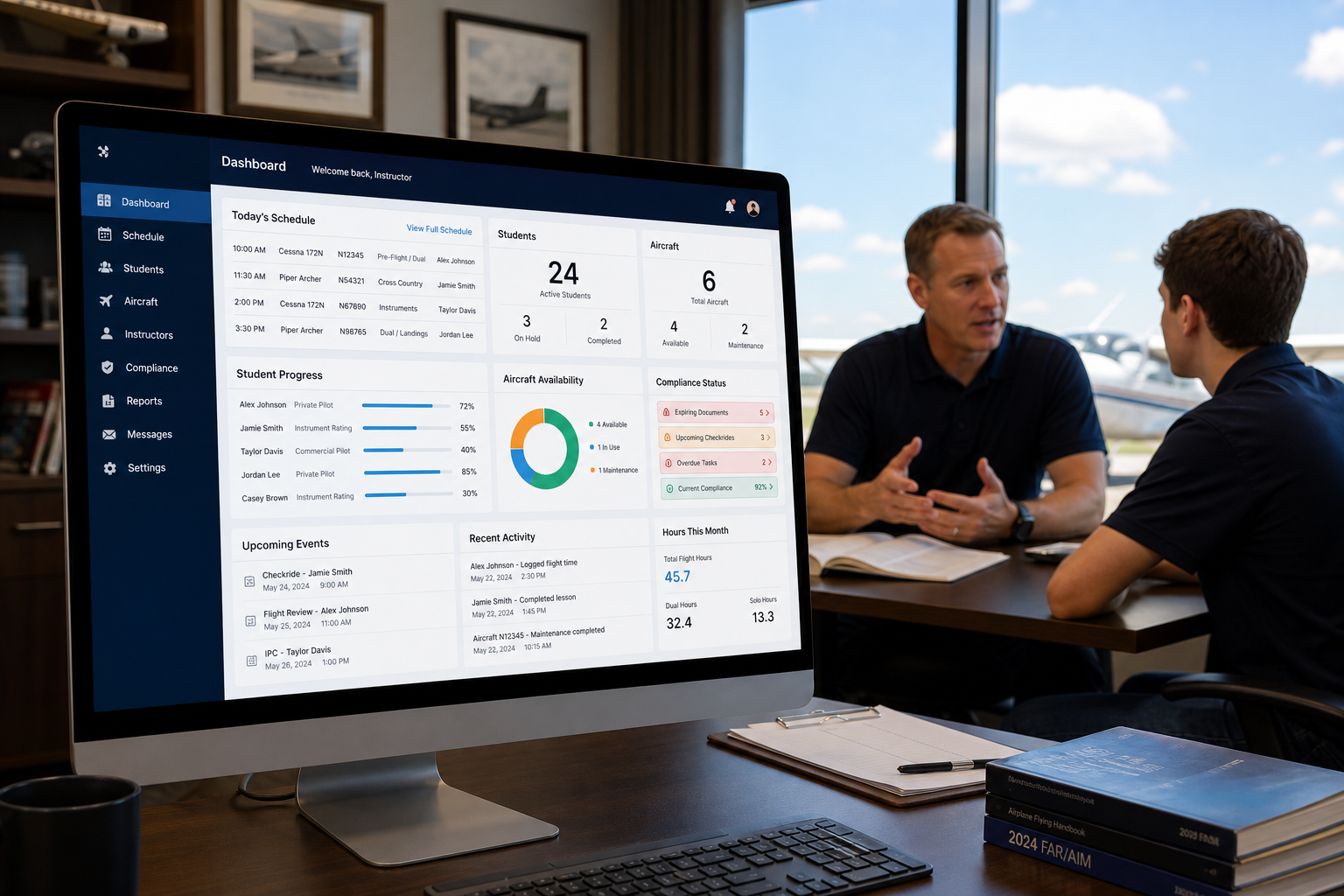
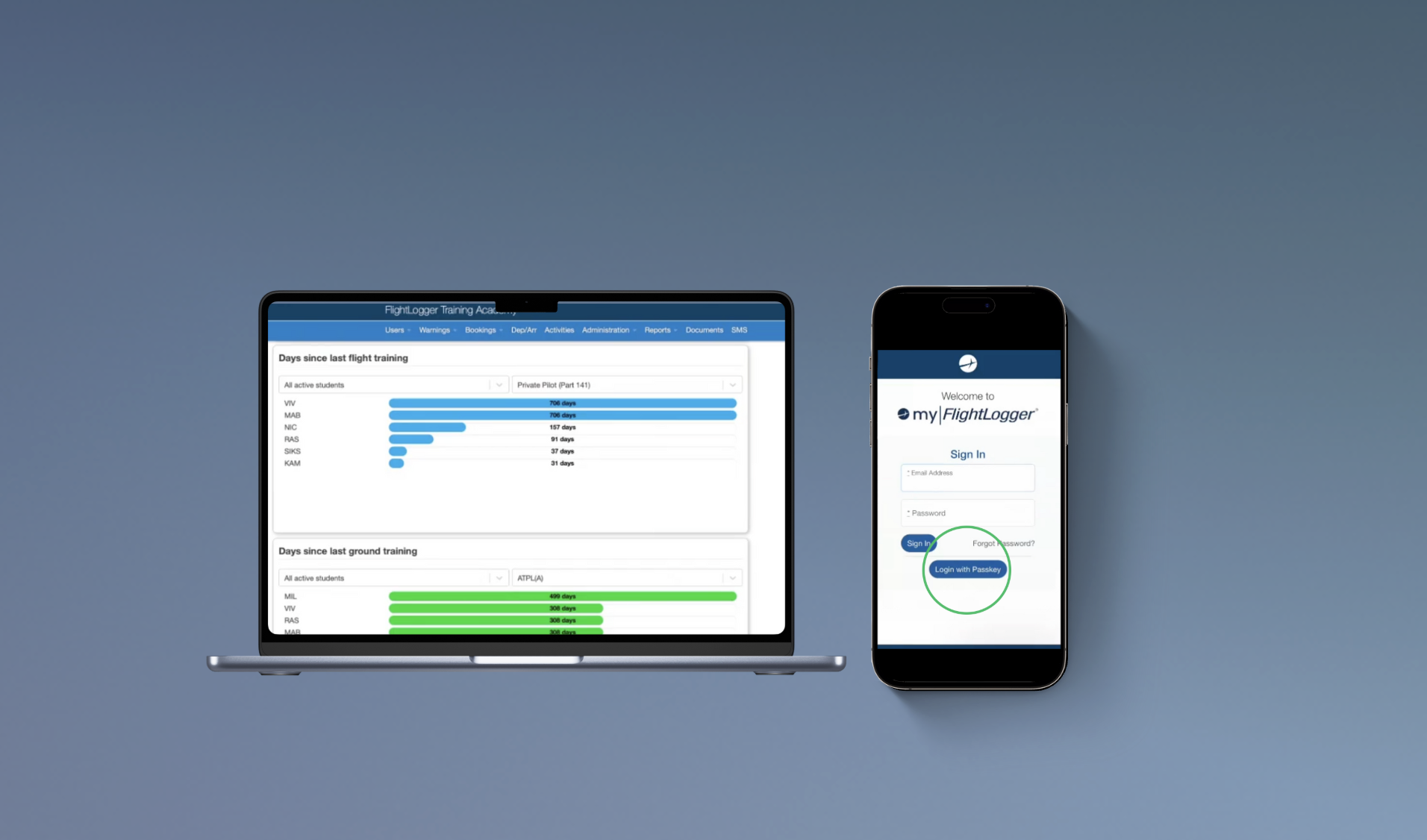
- Unified Student Records: All training data-ground, flight, grading, and feedback are stored in a single digital student folder. Instructors can access real-time dashboards showing each student’s actual versus required progress, enabling proactive intervention.
- Automated Compliance and Audit Readiness: Built-in compliance tools track duty times, certificate expirations, and syllabus milestones automatically. One-click audit readiness means no more scrambling to assemble documentation.
- Consistent Grading and Feedback: A standardized grading interface ensures objectivity and transparency. Instructors can easily upload feedback, track performance indicators, and align assessments with regulatory frameworks such as CBTA, EASA, or FAA.
- Reduced Administrative Burden: Automated scheduling, integrated lesson planning, and real-time alerts eliminate double-entry and manual reconciliation. Instructors spend less time on admin and more time instructing.
- Improved Student Outcomes: Early identification of delays, better scheduling decisions, and clear progression data help keep students on pace, boosting pass rates and on-time completions.
Modules like the STUDENT PROGRESSION module and CBTA PRO module further enhance these benefits by providing real-time pace tracking, completion forecasting, and competency-based assessment tools. The BUSINESS INSIGHTS modules add an operational dashboard for monitoring instructor, aircraft, and student productivity, ensuring resources are used efficiently.
Conclusion: Moving Toward a Unified Future
Fragmented student progress tracking is more than an administrative nuisance - it directly impacts student success, operational efficiency, and regulatory compliance. For flight schools aiming to maintain high pass rates, reduce training delays, and simplify audit preparation, the path forward is clear. Centralized, aviation-native platforms like FlightLogger empower instructors and training leaders with the visibility, consistency, and automation needed to deliver better outcomes for students and schools alike.
By moving beyond disjointed systems and embracing holistic solutions, flight training organizations can focus on what truly matters: developing the next generation of skilled, confident pilots.