.png?width=201&height=201&name=Maintenance%20(Videoannonce%20%E2%80%93%20LinkedIn).png)

10 Lessons From Replacing Manual Training Records
 Amalie Rasmussen
·
4 minute read
Amalie Rasmussen
·
4 minute read
Key Takeaways: 10 Lessons From Replacing Manual Training Records
- Digital compliance tracking eliminates the time spent gathering scattered documents before inspections and audits.
- Centralized training records create a single source of truth that instructors and administrators can access instantly.
- FlightLogger connects scheduling, student progression, and maintenance in one platform built for flight schools.
- Standardized digital assessments help instructors maintain consistent documentation across every training session.
- Real-time visibility into student progress replaces reactive decisions with data-informed planning across your operation.
What Flight Schools Learn When Replacing Manual Training Records
Paper files, individual instructor notes, and disconnected tracking methods may feel familiar. But when auditors arrive or scheduling conflicts multiply, those familiar systems often reveal their limitations.
Flight schools that have moved to digital compliance tracking consistently report similar realizations about what held their operations back. These ten lessons reflect patterns from training organizations that made the transition and discovered what changes when records become connected.
1. Audit Preparation Becomes Part of Daily Operations
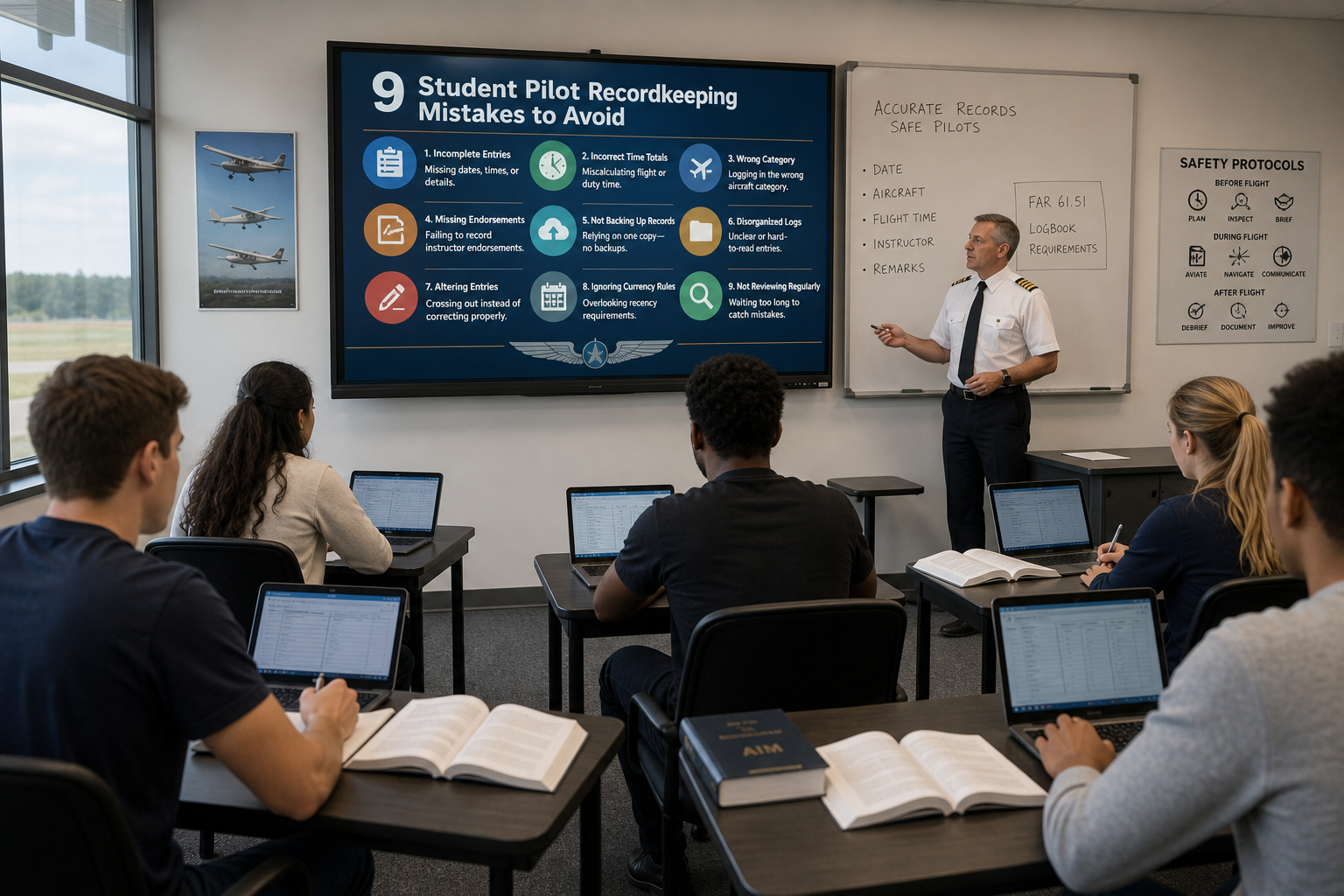
Schools using paper records often describe the weeks before an audit as a scramble. Staff spend hours locating documents, verifying completeness, and organizing folders for inspectors. This reactive approach creates stress and diverts attention from training activities.
With digital compliance tracking, documentation happens automatically as training progresses. Records are already organized when inspectors arrive. Flight schools report that audits shift from high-stress events to routine reviews of information that's already accessible.
2. Instructors Spend Less Time on Administration
Manual recordkeeping requires instructors to document the same information multiple times. Lesson details get recorded on paper forms, then entered into scheduling systems, then added to student files. Each step takes time and creates opportunities for errors.
Connected digital systems capture information once and share it across the platform. Instructors complete documentation faster, with more time available for actual student training and progression.
3. Visibility Changes How Decisions Get Made
Paper records make it difficult to answer basic operational questions. Which students are progressing on schedule? Where are the scheduling bottlenecks? How efficiently are aircraft being utilized? Finding these answers requires manual compilation from multiple sources.
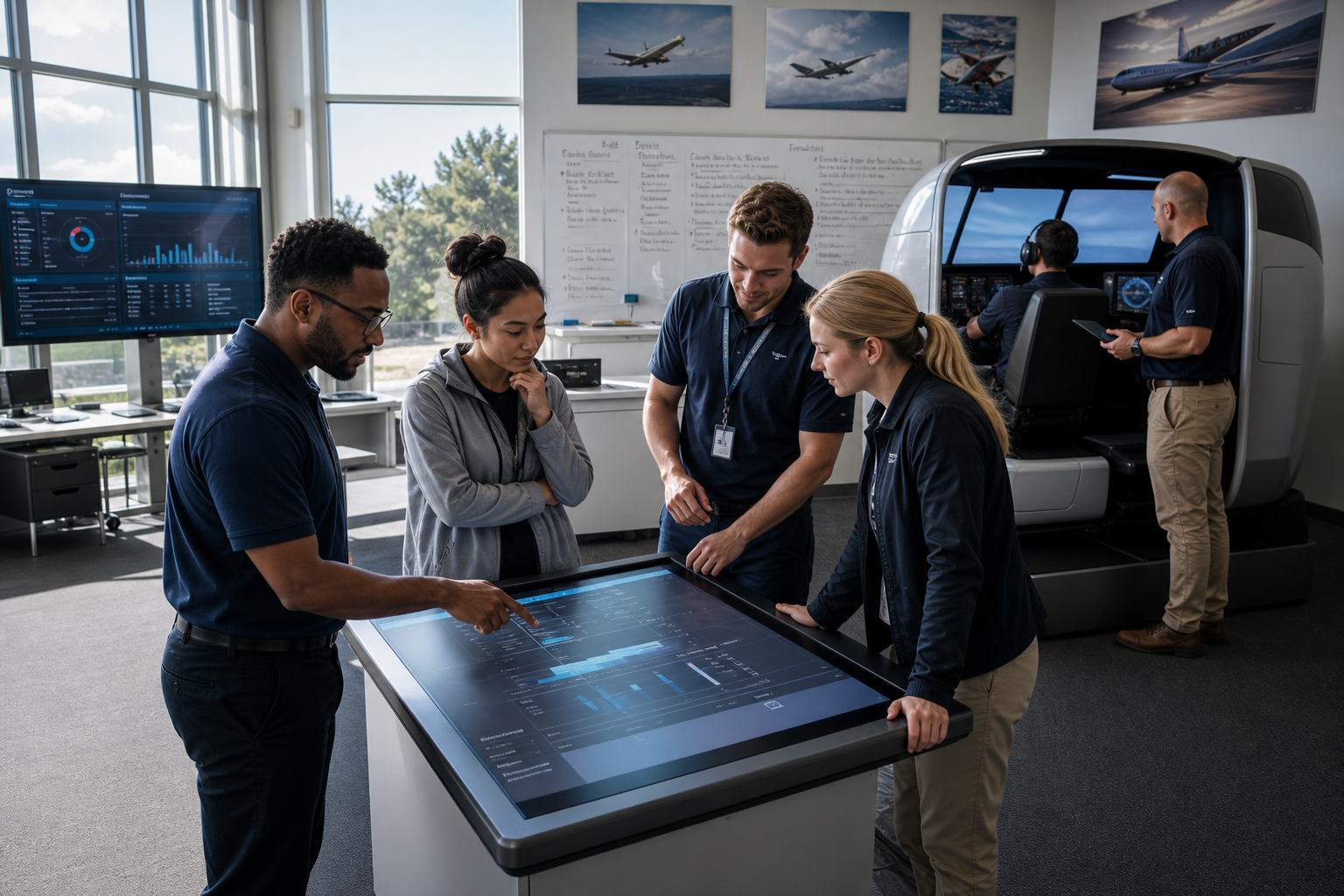
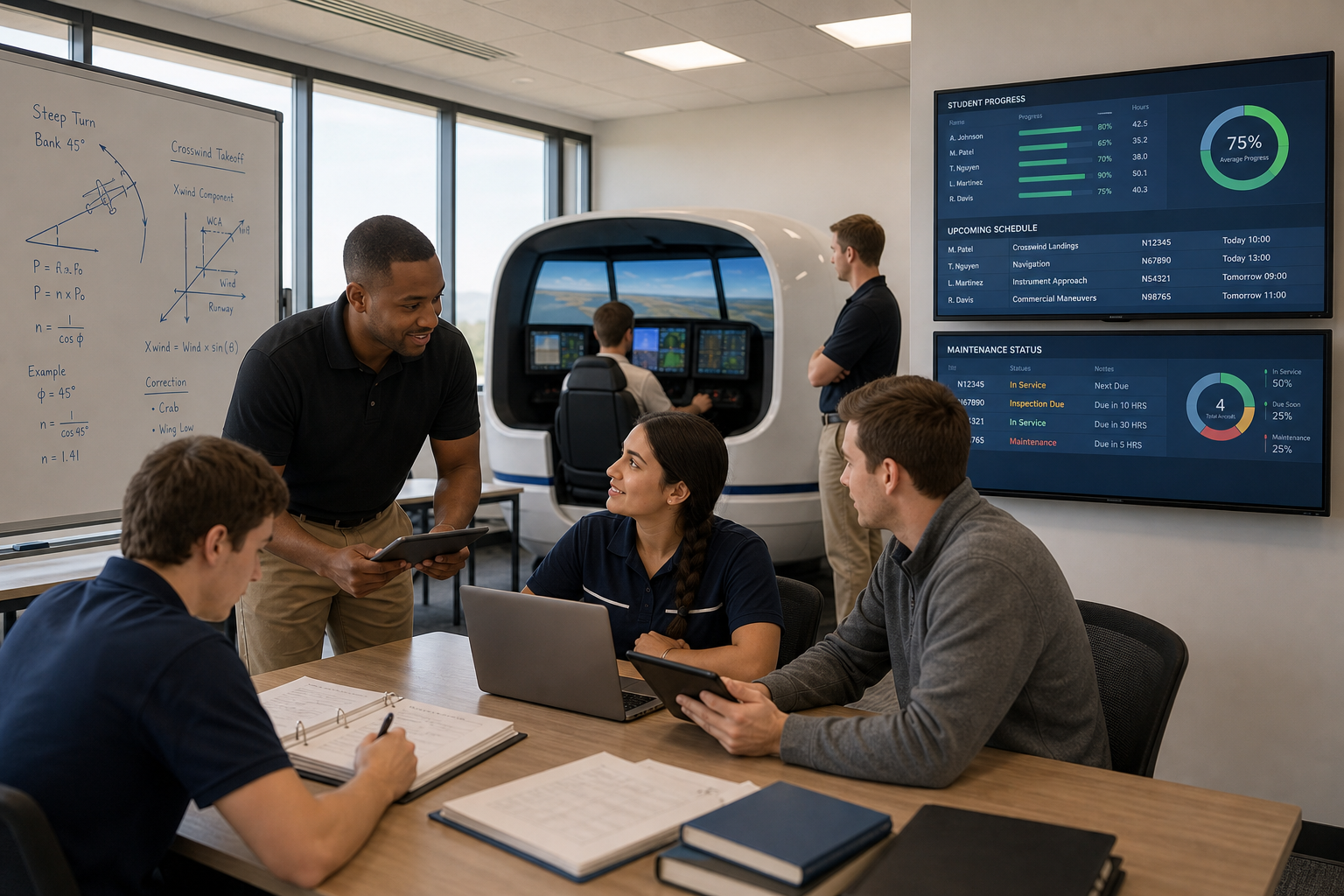
Digital systems surface this information automatically. Training managers can identify at-risk students earlier, adjust scheduling based on actual patterns, and make operational decisions using real data rather than estimates.
4. Compliance Becomes Continuous Rather Than Periodic
Many flight schools treat compliance as a periodic activity tied to audit cycles. Between inspections, documentation practices may drift, creating gaps that require correction before the next review.
Digital tracking systems maintain compliance as an ongoing process. Records are structured to meet regulatory requirements from the moment they're created. This shifts compliance from an occasional project to a built-in feature of daily operations.
5. Student Progress Tracking Improves Training Quality
Manual progress tracking often depends on individual instructors maintaining their own records. Different instructors may document differently, making it hard to compare student performance or identify patterns across the school.
Standardized digital assessments create consistent documentation regardless of which instructor conducts the training. FlightLogger's structured syllabus tracking ensures every student's progression is measured against the same criteria.
6. Scheduling and Training Records Need to Be Connected
Schools often discover that scheduling systems and training records operating separately create duplicate work. Scheduling staff may not have visibility into training progress, while instructors may schedule lessons without seeing the full operational picture.
When scheduling integrates with training records, students get scheduled based on their actual progression. Instructors see what training is needed before sessions begin. The entire operation moves more smoothly because information flows between systems.
7. Maintenance Coordination Affects Training Availability
Aircraft maintenance schedules that aren't connected to training systems create surprises. Instructors may plan lessons only to discover aircraft are unavailable. Students experience delays when maintenance conflicts aren't visible during scheduling.
Connected platforms show maintenance status alongside training schedules. Training managers can plan around known maintenance windows. Students experience fewer last-minute cancellations because conflicts are visible before they cause disruption.
8. Data Entry Errors Compound Over Time
Manual systems require entering the same information in multiple places. Each data entry point creates an opportunity for mistakes. When errors occur, they may go unnoticed until auditors identify discrepancies or students discover incorrect records.
Digital systems with connected workflows eliminate redundant data entry. Information entered once populates all relevant areas. Errors become easier to catch because the same data appears consistently throughout the platform.
9. Regulatory Requirements Differ Across Jurisdictions
Flight schools operating under multiple regulatory frameworks (FAA, EASA, CASA, and others) face different documentation requirements for each jurisdiction. Manual systems often struggle to maintain separate compliance standards simultaneously.
Digital platforms designed for aviation can accommodate multiple regulatory environments. FlightLogger supports compliance tracking for EASA, FAA, CASA, TCCA, DGCA, GCAA, and CAAP requirements in one system.
10. The Real Benefit Is Operational Control
Schools often expect digital compliance tracking to save time on paperwork. This happens. But the larger benefit is operational control that paper systems cannot deliver.
Connected digital records provide visibility across the entire operation. Training managers see student progress in real time. Scheduling reflects actual aircraft and instructor availability. Compliance documentation stays current without additional effort. The result is a flight school that operates with more control and less firefighting.
Making the Transition to Digital Compliance Tracking
The lessons above come from flight schools that have already made the transition. Their experiences highlight both the challenges of manual recordkeeping and the operational improvements possible with connected digital systems.
For training organizations still relying on paper records, the question isn't whether to modernize. The question is how soon operational demands will make the transition necessary.
FlightLogger gives flight schools the digital compliance tracking they need to maintain audit readiness while improving daily operations. As the Flight School Operating System, FlightLogger connects training, scheduling, maintenance, and reporting in one platform built specifically for aviation training.
FAQs about 10 Lessons From Replacing Manual Training Records
What are the main problems with manual training records in flight schools?
Manual training records create scattered documentation that's difficult to access during audits. Paper systems require duplicate data entry, limit visibility into student progress, and make compliance tracking reactive rather than continuous.
These limitations increase administrative workload and create operational risks.
How does digital compliance tracking improve audit readiness?
Digital systems capture documentation automatically as training happens. Records are structured to meet regulatory requirements from the start. When auditors arrive, information is already organized and accessible.
FlightLogger helps flight schools maintain continuous audit readiness.
What regulatory frameworks do digital training systems support?
Aviation training management platforms can support multiple regulatory environments simultaneously. FlightLogger accommodates compliance tracking for EASA, FAA, CASA, TCCA, DGCA, GCAA, and CAAP requirements.
This multi-jurisdictional support helps schools operating across different regions.
How do connected records reduce instructor administrative workload?
Connected digital systems capture information once and share it across the platform. Instructors don't need to enter the same data in multiple places. Documentation completes faster, leaving more time for training activities.
Standardized digital forms also ensure consistent documentation across all instructors.
Why does scheduling integration matter for training records?
Separate scheduling and training systems create duplicate work and visibility gaps. Scheduling staff may not see training progress while instructors miss operational context. Connected systems ensure students get scheduled based on actual progression.
This integration reduces conflicts and improves resource utilization.
What is the biggest benefit of replacing manual training records?
While time savings on paperwork matter, the largest benefit is operational control. Digital systems provide real-time visibility across student progress, scheduling, maintenance, and compliance. Flight schools operate with better information and less reactive decision-making.
FlightLogger delivers this control through a single connected platform.