.png?width=201&height=201&name=Maintenance%20(Videoannonce%20%E2%80%93%20LinkedIn).png)

12 Flight School Failure Points in Pilot Training
 Amalie Rasmussen
·
5 minute read
Amalie Rasmussen
·
5 minute read

Running a flight school means keeping dozens of moving parts aligned every single day. Aircraft, instructors, students, maintenance schedules, and regulatory requirements must all work together. When one of these elements breaks down, the ripple effects can disrupt entire training programs.
FlightLogger helps flight schools identify and eliminate operational breakdowns before they derail student progress. This article covers 12 failure points that training managers and instructors see most often, along with practical ways to address them.
Each failure point represents a real operational risk. Addressing these issues early helps flight schools maintain training quality, meet regulatory standards, and graduate students on schedule.
Key Takeaways: 12 Flight School Failure Points in Pilot Training
- Scheduling conflicts between instructors, aircraft, and students cause delays that slow student progression and waste resources.
- Disconnected maintenance and training systems result in grounded aircraft and cancelled lessons at the worst possible times.
- Manual record-keeping creates compliance gaps that surface during audits and require hours of administrative cleanup.
- FlightLogger connects scheduling, training, maintenance, and compliance into one platform for complete operational visibility.
- Poor instructor utilization leads to uneven workloads, burnout, and inconsistent training quality across student cohorts.
Common Failure Points That Derail Pilot Training Programs
1. Scheduling Conflicts That Cascade Through the Week
A single double-booked aircraft can throw off an entire day's training schedule. When instructors and students arrive to find their assigned aircraft unavailable, the disruption spreads quickly.
Students lose valuable flight time. Instructors must reschedule other lessons to accommodate displaced students. Administrative staff spend hours resolving conflicts instead of supporting training operations.
Effective flight school scheduling requires real-time visibility into aircraft availability, instructor schedules, and student bookings. Without this visibility, conflicts multiply throughout the week.
2. Maintenance Schedules Disconnected from Training Blocks
Aircraft maintenance follows its own timeline. Training schedules follow another. When these two systems operate independently, aircraft get pulled from service at critical moments.
A student preparing for their checkride suddenly loses access to their preferred aircraft. An instructor discovers mid-morning that half the fleet is down for unplanned maintenance. These scenarios happen regularly at schools with disconnected training management systems.
Coordinating maintenance windows with training demand helps prevent last-minute cancellations and keeps students progressing toward their goals.
3. Instructor Availability Gaps During Peak Demand
Summer months and holiday breaks bring surges in student activity. Flight schools that cannot quickly assess instructor availability struggle to meet this increased demand.
Students book lessons weeks in advance, only to have them cancelled when their instructor calls in sick or takes vacation. Without real-time visibility into instructor schedules across the organization, dispatchers cannot reassign students to available instructors.
Flight schools need systems that show instructor availability, certifications, and current workloads at a glance. This information enables faster rescheduling and better resource allocation.
4. Student Progress Tracking Spread Across Multiple Systems
Training records in one system. Flight logs in another. Instructor notes in a third. This fragmentation makes it nearly impossible to get a clear picture of where each student stands.
Instructors waste time searching for information before each lesson. Training managers cannot identify students who are falling behind. Compliance officers must manually compile records before every audit.
Centralizing student progress data in one location gives everyone access to the same real-time information. This visibility helps instructors prepare more effectively and administrators spot problems early.
5. Compliance Documentation Gaps
Regulatory compliance requires meticulous record-keeping. EASA, FAA, CASA, and other authorities expect complete documentation of every training activity, instructor qualification, and aircraft maintenance event.
When documentation happens on paper or across disconnected systems, gaps appear. A missing signature here. An undocumented lesson there. These small gaps become major problems during audits.
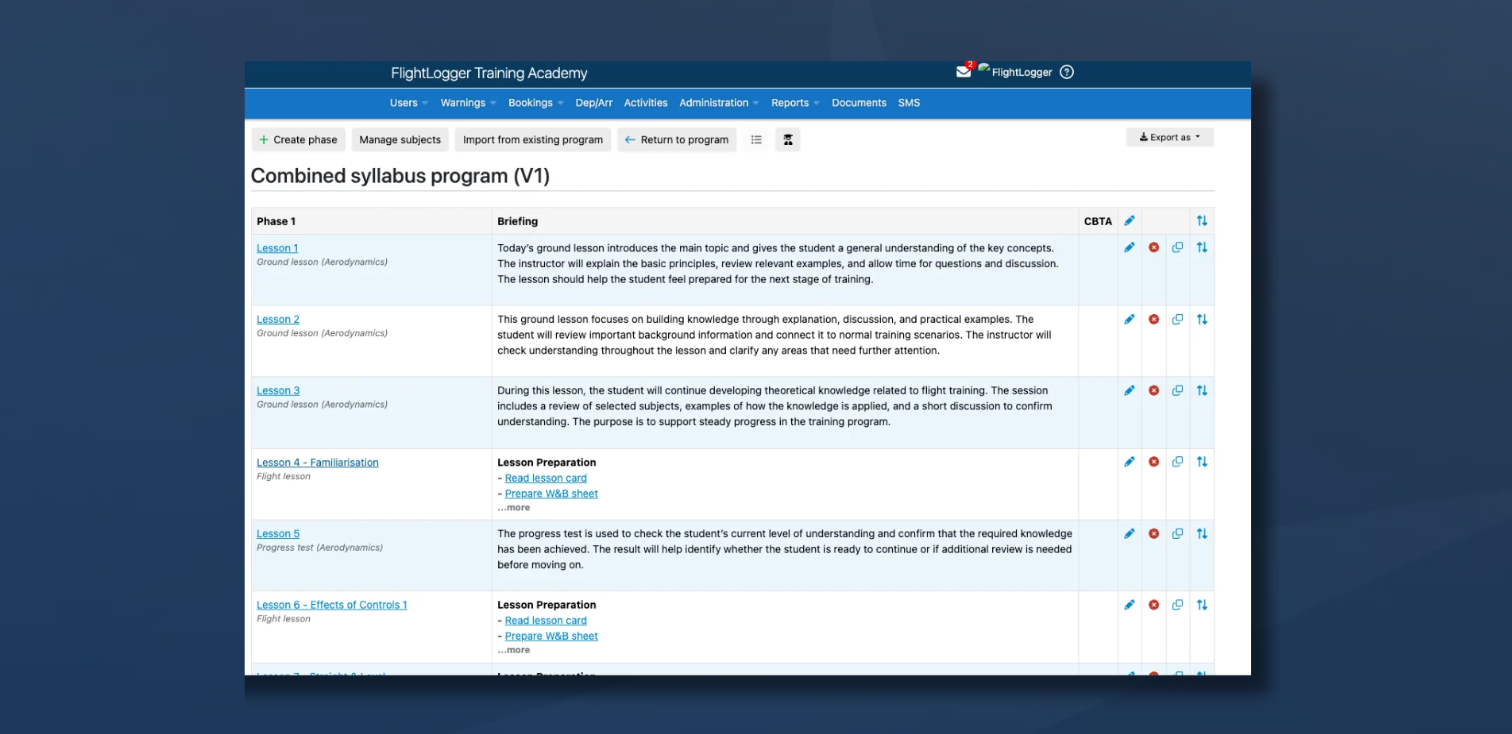
Building compliance into daily workflows eliminates the scramble before inspections. Digital training records with automatic sign-offs create audit-ready documentation as training happens.
6. Inconsistent Grading Standards Across Instructors
Two instructors evaluate the same maneuver differently. One passes the student. The other would have required additional practice. This inconsistency undermines training quality and student confidence.
Without standardized grading rubrics and centralized performance data, flight schools cannot ensure consistent evaluation across their instructor team. Students may advance before they are ready, or be held back unnecessarily.
Standardized grading criteria applied through a centralized platform helps maintain training quality regardless of which instructor conducts the lesson.
7. Communication Breakdowns Between Departments
Maintenance schedules an aircraft for service. Dispatch books it for a student flight. Neither team knew what the other was planning.
These communication breakdowns happen daily at flight schools using separate systems for different operational functions. Information stays siloed within departments, creating conflicts and confusion.
Connecting scheduling, maintenance, and training through a shared platform ensures everyone works from the same information. Changes made by one department immediately visible to all others.
8. No-Show Patterns That Go Unaddressed
Students miss scheduled lessons without cancelling. Aircraft sit idle. Instructor time goes to waste. These no-shows cost flight schools revenue and create scheduling inefficiencies.
Many schools lack the data to identify no-show patterns. They cannot see which students consistently miss lessons or which time slots experience higher cancellation rates.
Tracking no-show data over time reveals patterns that inform scheduling decisions. Automated reminders and confirmation requirements reduce missed appointments and improve resource utilization.
9. Limited Visibility Into Aircraft Utilization
Some aircraft fly constantly while others sit idle for days. Without utilization data, flight schools cannot optimize fleet deployment or plan maintenance efficiently.
Poor visibility leads to uneven wear on aircraft, inefficient scheduling, and missed revenue opportunities. One aircraft may need maintenance while another sits unused on the ramp.
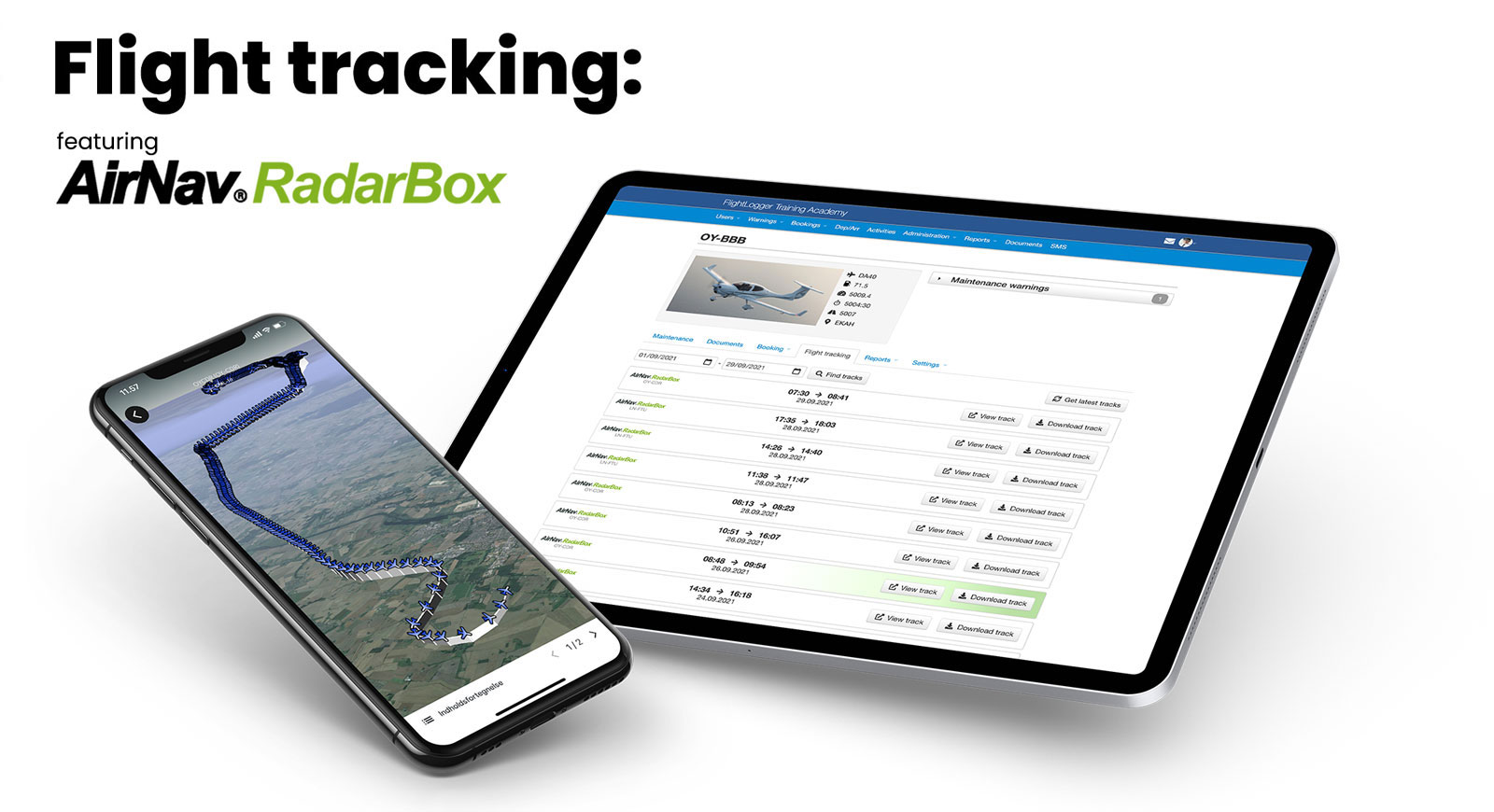
Real-time aircraft tracking and utilization reporting helps operations managers balance workloads across the fleet and schedule maintenance during low-demand periods.
10. Manual Billing Processes That Delay Revenue
Instructors complete lessons. Students receive training. But invoices go out days or weeks later because billing happens manually.
These delays affect cash flow and create disputes when students question charges they cannot remember. Manual billing also introduces errors that require time-consuming corrections.
Integrating billing with scheduling and training data enables accurate invoicing immediately after each activity. Students see their charges in real time, reducing disputes and improving collections.
11. Inadequate Pre-Flight Weather and NOTAM Reviews
Students and instructors arrive ready to fly, only to discover conditions have deteriorated or airspace restrictions affect their planned route. Without structured pre-flight preparation processes, these surprises become routine.
Flight schools need clear procedures for weather assessment and flight planning. Students should learn to review conditions independently, supported by systems that make this information accessible.
Building pre-flight preparation into training workflows ensures students develop strong habits while reducing wasted trips to the airport on days when conditions prevent flying.
12. Delayed Decision-Making Due to Missing Data
Training managers need information to make good decisions. How many students are on track to graduate this quarter? Which aircraft need maintenance soon? Where are instructors overloaded?
When this data lives in disconnected systems or requires manual compilation, decisions get delayed. Opportunities to address problems early slip away.
Centralized reporting and analytics puts operational data at managers' fingertips. With real-time visibility into training progress, resource utilization, and compliance status, leaders can act quickly when issues emerge.
How to Build More Resilient Flight Training Operations
Each failure point described above shares a common root cause: disconnected systems and fragmented information. When aircraft scheduling, student progress, maintenance, and compliance operate in isolation, gaps and conflicts multiply.
FlightLogger addresses these challenges by connecting every operational function in one platform. Scheduling integrates with maintenance. Training records connect to compliance documentation. Billing links to completed activities.
This connected approach gives flight schools the visibility they need to prevent problems before they disrupt training. When issues do arise, teams can respond quickly because everyone works from the same real-time information.
For training managers and instructors who want to reduce operational breakdowns, start by identifying which failure points affect your school most. Then look for opportunities to consolidate systems and improve information flow between departments.
FAQs about 12 Flight School Failure Points in Pilot Training
What causes most scheduling conflicts at flight schools?
Scheduling conflicts typically result from outdated information about aircraft availability and instructor schedules. When booking systems do not reflect real-time status, double bookings and resource conflicts become common.
FlightLogger prevents these issues by connecting aircraft, instructor, and student schedules in one centralized system with instant updates.
How do disconnected systems affect pilot training quality?
Disconnected systems force instructors to search for student records before each lesson. This wastes time and prevents personalized instruction based on recent performance.
Centralizing training data gives instructors immediate access to progress history, allowing them to tailor each lesson effectively.
Why do flight schools fail compliance audits?
Most audit failures trace back to documentation gaps. Missing signatures, incomplete records, or inconsistent data across systems create findings that require corrective action.
Building compliance into daily workflows through digital record-keeping eliminates these gaps and keeps schools audit-ready year-round.
How can flight schools reduce student no-shows?
No-shows decrease when students receive automated reminders before scheduled lessons. Requiring confirmation of bookings also helps identify students who may not attend.
Tracking no-show patterns over time reveals which students need additional attention or schedule adjustments.
What role does maintenance coordination play in training efficiency?
Maintenance affects aircraft availability directly. When maintenance schedules operate separately from training calendars, aircraft get pulled from service unexpectedly.
Coordinating maintenance with training demand helps schools schedule service during low-activity periods, minimizing disruption to student progress.
How does FlightLogger help prevent flight school operational failures?
FlightLogger connects scheduling, training management, maintenance, compliance, and reporting in one platform. This integration gives every team member access to real-time information.
With complete operational visibility, flight schools can identify and address potential problems before they affect student training.