.png?width=201&height=201&name=Maintenance%20(Videoannonce%20%E2%80%93%20LinkedIn).png)

 ·
4 minute read
·
4 minute read
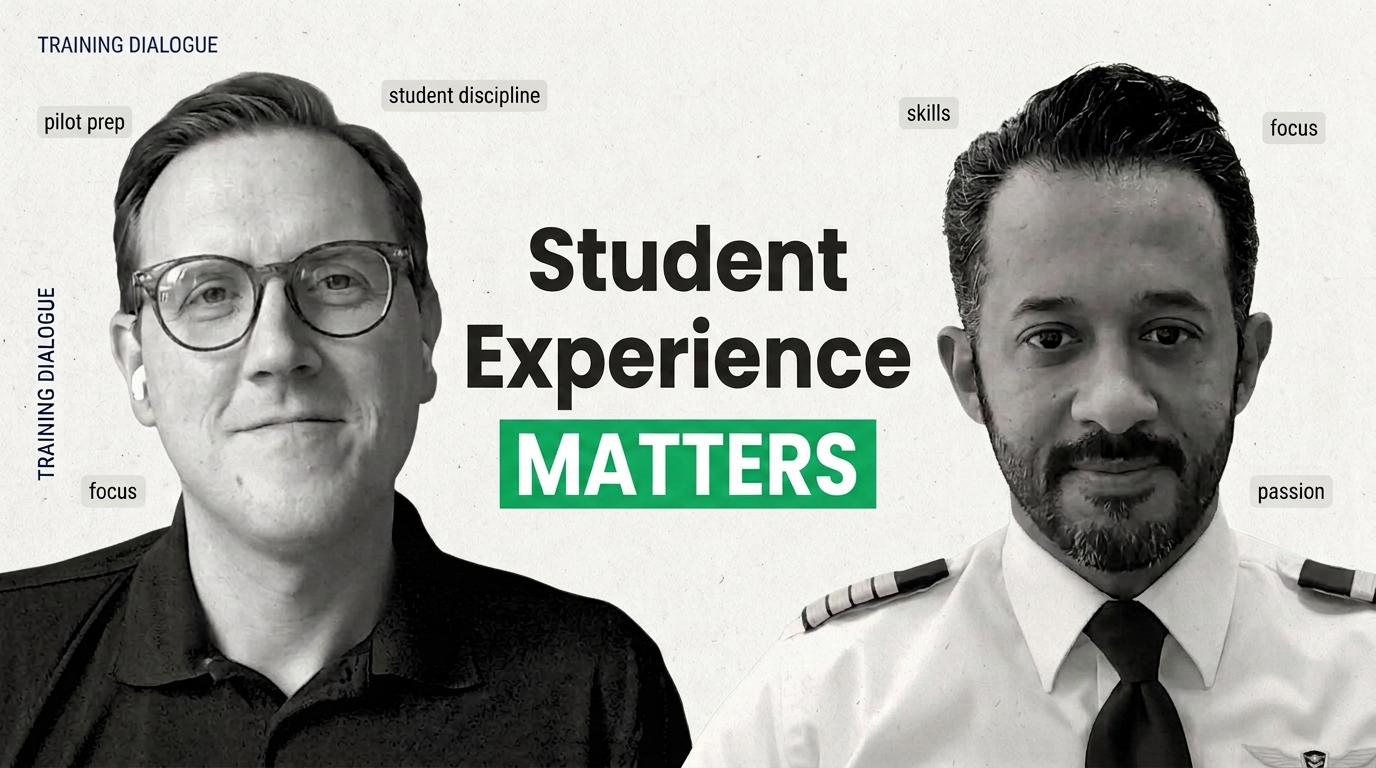
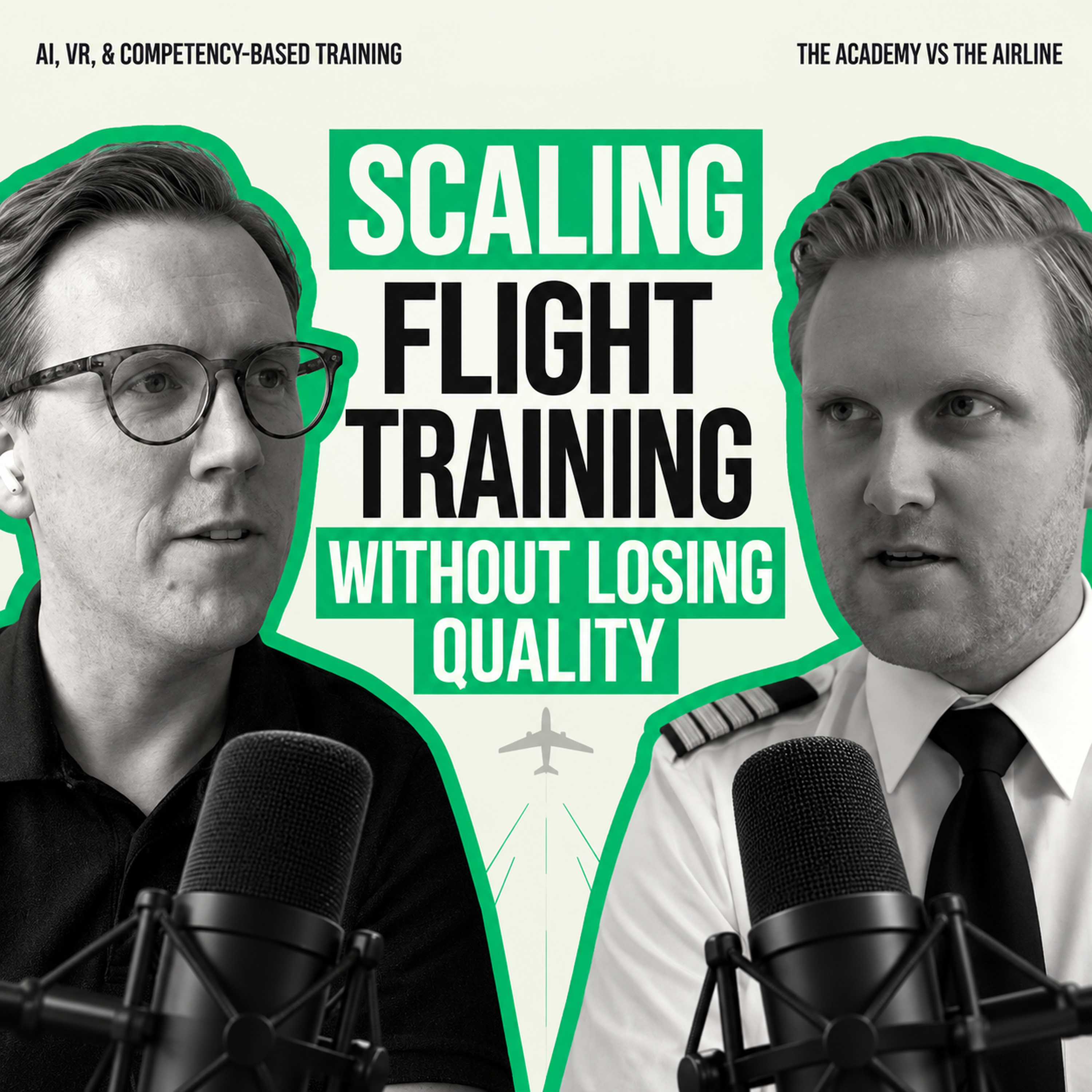
What do today's aspiring pilots need from their flight schools — and what should students understand before beginning their training? In this episode of The Climb, FlightLogger CEO Kasper Valgren speaks with Captain Abdulaziz Alshoail, founder of Eager Pilots, about student expectations, theory training, career preparation and the realities behind becoming a professional pilot.
For many aspiring pilots, becoming a professional pilot starts with a clear picture of the destination.
The uniform. The cockpit. The airline career.
But the journey between deciding to become a pilot and being ready for a professional aviation career is far more complex.
That gap between expectation and reality is at the center of this episode of The Climb.
FlightLogger CEO Kasper Valgren is joined by Captain Abdulaziz Alshoail, a commercial pilot, flight instructor and founder of Eager Pilots, an aviation education platform with an audience of more than 150,000 people, many of them aspiring pilots.
Working with future pilots gives Abdulaziz a direct view into the questions, expectations and challenges students bring with them before they ever enter a flight school.
So, what are aspiring pilots struggling with - and how can students and flight schools better prepare for the journey ahead?
What do aspiring pilots struggle with before flight school?
From Abdulaziz's perspective, preparation needs to begin before the first flight lesson.
Speaking particularly from his experience with students in GCC countries, he identifies language skills, discipline and situational awareness as important areas where aspiring pilots can arrive underprepared.
English can be particularly important.
When aspiring pilots ask Abdulaziz how they can eventually fly for a particular airline, one of the first things he asks about is their English proficiency. Poor language preparation can make an already demanding training program considerably more difficult.
His message is that becoming a pilot does not begin when a student signs a flight-school contract.
The preparation starts earlier.
Why is mindset important in pilot training?
Another challenge is expectation.
Students can begin training with the assumption that completing their licenses will naturally lead to an airline job.
Abdulaziz challenges that idea.
He encourages aspiring pilots to understand the employment market, investigate airline requirements and think about what differentiates them from the many other commercial pilots pursuing similar opportunities.
That makes career preparation about more than accumulating licenses.
Students need to understand where they want to go, what the requirements are and what they can do throughout their training to become stronger candidates.
Why is ATPL theory so challenging?
For many students, the theoretical part of pilot training is where the difficulty becomes particularly apparent.
Abdulaziz emphasizes that flight schools can provide instruction, structure and support, but ultimately the student has to do the work required to understand the material and pass the relevant examinations.
That distinction matters.
A strong student experience doesn't mean removing responsibility from the student.
It means creating an environment in which expectations are clear, students understand what is required of them, and they have the support and tools necessary to progress.
How should aspiring pilots choose a flight school?
Choosing where to train can be one of the largest decisions an aspiring pilot makes.
Abdulaziz's advice is remarkably practical:
Visit the flight school before committing.
Pilot training represents a significant financial and personal investment. Rather than making that decision entirely through websites, reviews or conversations online, he recommends setting aside a small part of that investment to visit the academy.
Talk to management. See the facilities. Understand the processes. Experience the environment.
A school may look excellent on paper but not feel right for an individual student — while another may immediately feel like an environment in which they can succeed.
For aspiring pilots comparing flight schools, that firsthand experience can provide information that is difficult to get from a brochure.
Has social media changed aspiring pilots' expectations?
Today's students have access to an extraordinary amount of aviation content before they ever begin formal training.
But more exposure doesn't necessarily mean better preparation.
Abdulaziz argues that social media often shows the attractive side of being a pilot while leaving out much of the work required to get there.
Aspiring pilots see uniforms, cockpits and travel. They see less of the studying, setbacks, discipline and difficult periods that can be part of pilot training.
His advice to students is therefore to focus less on presenting the image of becoming a pilot and more on developing the skills required to become one.
Study.
Build knowledge.
Spend time understanding aircraft beyond the classroom.
Learn from maintenance teams and see how components work in the real world.
Focus on becoming better before focusing on looking like a pilot.
Is technology changing how students learn?
Technology is also changing the learning environment itself.
Abdulaziz has seen a difference between students entering training with no exposure to flying and those who have gained some familiarity through flight simulation.
But he makes an important distinction: technology should support fundamental flying skills, not replace them.
For students using flight simulation before or during training, he recommends learning with aircraft appropriate to early flight training rather than immediately jumping into complex airliners.
He makes a similar point about online education.
Watching a lecture on a phone may technically provide access to the information, but focused learning requires more engagement. In his own online teaching, he encourages students to use a computer, headphones and written notes to create an environment closer to a classroom.
The technology matters.
How the student uses it matters more.
What skills should future pilots develop before training?
When Kasper asks what advice he would give a young aspiring pilot, Abdulaziz returns to preparation.
He highlights:
- Discipline
- Stress management
- English proficiency
- Planning
- Understanding airline and regulatory requirements
- Developing skills before entering training
For students in the Middle East in particular, he recommends developing general English to at least B2 level rather than focusing exclusively on aviation terminology.
There is also a broader lesson behind his advice:
Start with the career you want, understand what it requires, and work backwards.
How can flight schools improve the student experience?
The responsibility doesn't sit entirely with the student.
Flight schools also have an important role to play.
When Kasper asks Abdulaziz for one recommendation to schools wanting to improve their student experience, his answer centers on two ideas:
Clarity and proactivity.
Students should clearly understand what they are signing up for, what is expected of them and what the journey ahead looks like.
Abdulaziz also emphasizes that this relationship needs to work both ways. The school should communicate proactively, but students also need to read, ask questions, understand their responsibilities and take ownership of their progression.
A strong student experience isn't created by the flight school or the student alone.
It's built through the relationship between them.
Preparing pilots for more than the license
Perhaps the biggest theme running through the conversation is that pilot training needs to prepare students for more than passing examinations and skill tests.
Future pilots need technical knowledge, but they also need discipline, self-awareness, communication skills, realistic expectations and an understanding of the professional environment they're working toward.
Flight schools can provide structure, instruction and support.
Students need to bring preparation, responsibility and commitment.
And when both sides understand their role, the result is a better foundation for preparing pilots for the future.
Watch The Student Experience: Preparing Pilots for the Future
Watch or listen to the full conversation with Captain Abdulaziz Alshoail, founder of Eager Pilots, on The Climb.
The Climb — conversations from the world's most ambitious flight schools.