.png?width=201&height=201&name=Maintenance%20(Videoannonce%20%E2%80%93%20LinkedIn).png)

10 Cost Leaks Flight School Software Can Expose
 Amalie Rasmussen
·
4 minute read
Amalie Rasmussen
·
4 minute read
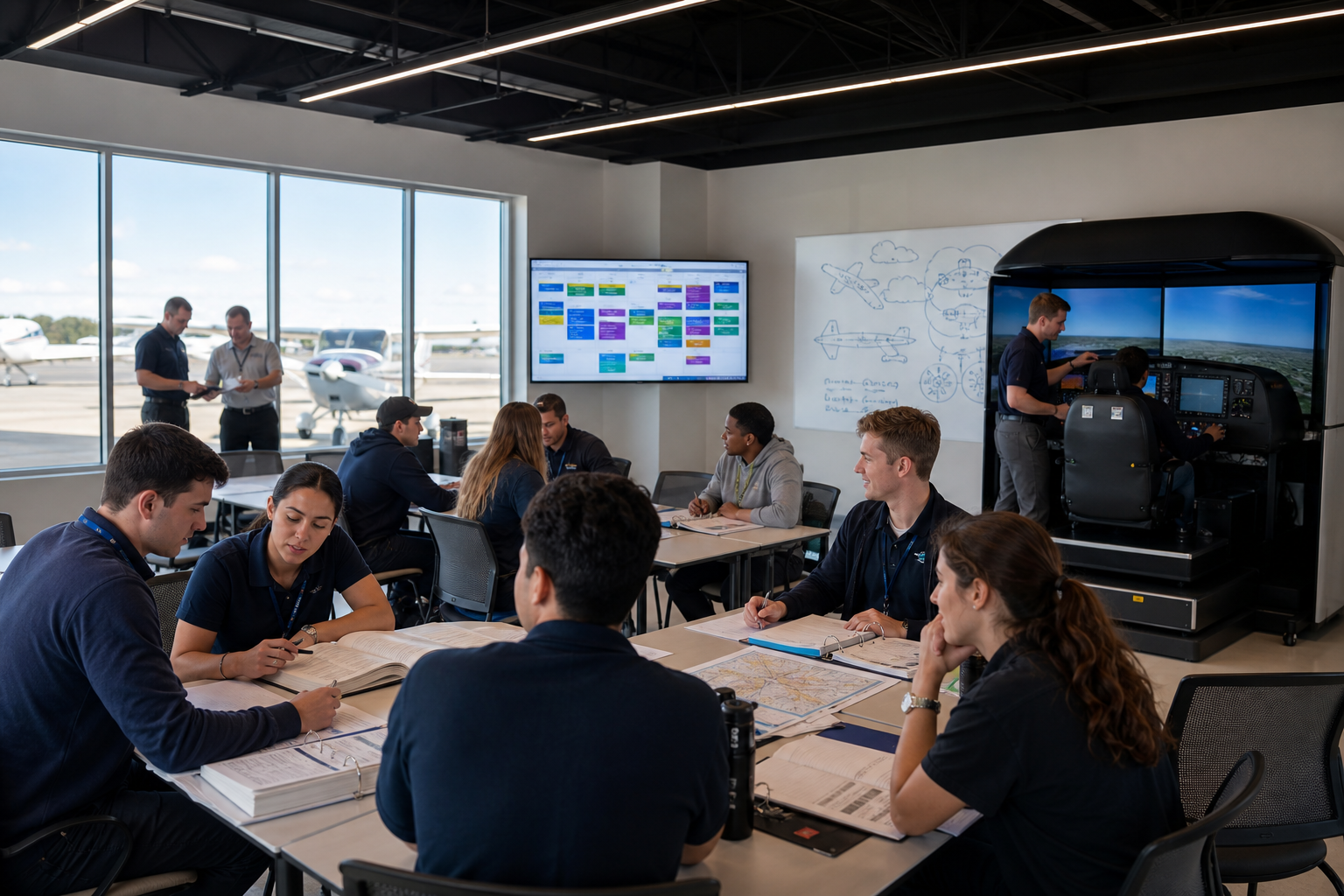
Running a flight school means managing dozens of operational decisions every day. Aircraft need maintenance. Students need progress. Instructors need schedules. And somewhere between all those moving parts, money slips through the cracks. Flight school management software helps training organizations identify exactly where those losses occur and how to stop them.
This article breaks down 10 hidden cost leaks that erode flight school margins. You'll see how each one drains revenue and what flight school software reveals about fixing them.
Key Takeaways: 10 Cost Leaks Flight School Software Can Expose
- Untracked aircraft idle time between lessons can represent thousands in unrealized revenue each month.
- No-shows during holiday periods drain instructor hours and aircraft availability without recovery options.
- Maintenance surprises force last-minute cancellations and premium repair costs that planned scheduling prevents.
- FlightLogger exposes cost leaks by connecting scheduling, maintenance, and student data in one visible system.
- Delayed student progression ties up resources longer and increases administrative overhead per enrollment.
Hidden Cost Leaks in Flight School Operations
1. Aircraft Sitting Idle Between Scheduled Lessons
Every hour your aircraft sits unused is revenue not earned. The challenge is seeing those gaps. When scheduling lives in disconnected systems, identifying underutilized time blocks takes manual effort most teams don't have.
Flight school software creates real-time visibility into aircraft availability. You can spot 30-minute gaps between bookings, redistribute resources, and fill cancellation slots before they become lost opportunities.
2. No-Shows During High-Risk Periods
Holiday weekends and weather-uncertain seasons create predictable spikes in student no-shows. Without automated reminder systems, these missed lessons represent aircraft and instructor time that can't be recovered.
Management software sends configurable notifications at key intervals before scheduled training. Students confirm or reschedule without calling the front desk. The result is fewer empty slots and more recovered revenue.
3. Unplanned Maintenance Groundings
An aircraft that goes out of service unexpectedly costs more than the repair itself. You lose the training hours already scheduled, the instructor time committed, and potentially student goodwill when lessons get cancelled at the last minute.
Integrated maintenance tracking syncs service schedules with training blocks. You can plan maintenance during low-demand periods rather than discovering an aircraft is due for inspection when it's already booked.
4. Students Falling Behind Progression Timelines
Students who take longer to complete training cost more to serve. They occupy scheduling slots for additional months, require extra administrative attention, and face higher dropout risk before completion.
Flight school software tracks student progress against program milestones. Progression dashboards flag early warning signs before small delays compound into major setbacks that drain resources.
5. Duplicate Data Entry Across Disconnected Systems
How many times does your team enter the same flight record? Once for scheduling, again for billing, once more for compliance documentation. Each manual entry consumes staff time and introduces error risk.
Centralized platforms eliminate duplicate work. FlightLogger captures data once and flows it automatically to scheduling, billing, and compliance systems. Organizations report up to 75% reductions in administrative workload.
6. Instructor Downtime Between Assignments
Instructors generate value when teaching. Time spent waiting for scheduling updates, filling out paperwork, or coordinating between departments represents capacity you're paying for but not using.
Flight school software gives instructors self-service access to schedules, lesson logging, and student records. Less coordination overhead means more time in the cockpit delivering training.
7. Audit Preparation That Consumes Weeks
Regulatory audits arrive whether you're ready or not. The question is whether your team spends days compiling documentation or whether records are already organized and accessible.
Flight schools using structured compliance systems report faster inspector interactions and zero-finding audits. Audit-ready documentation happens as a byproduct of daily operations, not as a scramble before inspections.
8. Scheduling Conflicts That Require Manual Resolution
Double-bookings cost more than just embarrassment. They require staff time to resolve, potentially cancel student training, and create the kind of operational friction that drives both students and instructors to competitors.
Real-time scheduling with conflict prevention eliminates double-bookings before they happen. Visibility across instructors, aircraft, and students means your team coordinates once rather than fixing problems after the fact.
9. Inconsistent Grading That Triggers Repeat Training
When instructors grade differently, students may pass exercises with one instructor that another would have flagged for remediation. The result is inconsistent skill development and potential re-training costs later in the program.
Standardized grading frameworks ensure consistent evaluation across your entire instructor team. Students progress based on demonstrated competency rather than instructor variation.
10. Lost Revenue From Cancelled Lessons Without Recovery
A cancelled lesson represents a scheduling slot that could have gone to another student. When cancellations happen without advance notice, that revenue disappears permanently.
Management software tracks cancellation patterns and enables quick rescheduling. When one student cancels, the system helps fill that slot with another booking rather than leaving aircraft and instructors idle.
Why Software Visibility Changes Cost Management
Cost leaks persist because they're invisible. Your team can't fix problems they can't see. Flight school management software creates visibility into operational patterns that manual tracking simply cannot match.
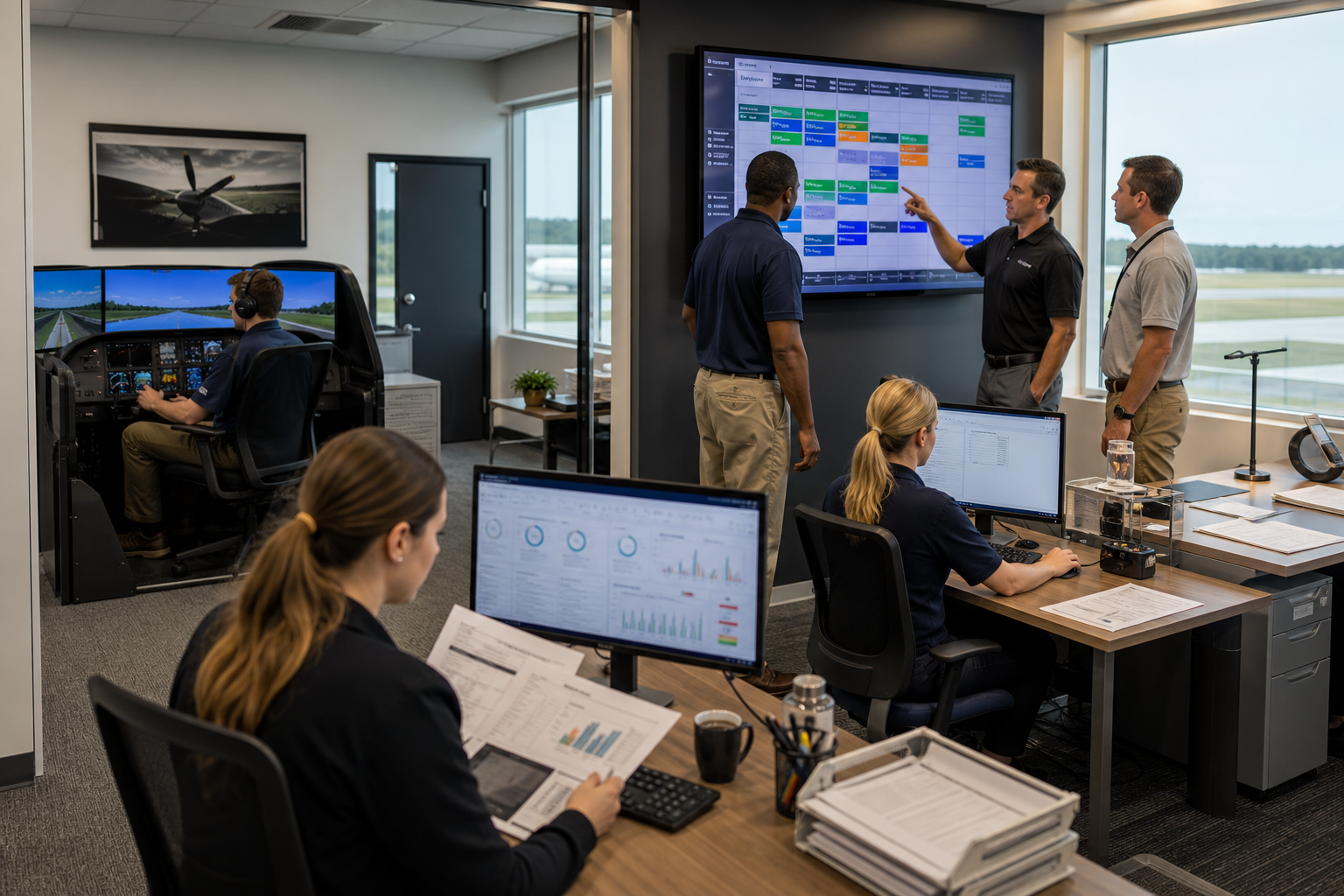
FlightLogger connects scheduling, maintenance, student progression, and compliance into one platform. Every data point becomes part of a complete operational picture. You see where aircraft utilization drops, which students need attention, and when maintenance windows align with low-demand periods.
The math is straightforward. Better visibility leads to better decisions. Better decisions lead to fewer cost leaks. Fewer cost leaks mean higher margins on every flight hour your school delivers.
Ready to see where your operation loses money? Book a walkthrough and discover what FlightLogger reveals about your flight school's cost structure.
FAQs about 10 Cost Leaks Flight School Software Can Expose
What is the biggest cost leak for most flight schools?
Aircraft idle time typically represents the largest hidden cost. Your fleet is your biggest capital investment, and every unused hour is revenue you're not earning. Flight school software creates visibility into scheduling gaps so you can fill them before they become lost opportunities.
How does flight school software reduce no-show rates?
Automated reminder systems send notifications before scheduled lessons. Students receive SMS or email alerts at configurable intervals, giving them time to confirm or reschedule. This approach recovers bookings that would otherwise become empty slots.
Can small flight schools benefit from cost leak tracking?
Yes. Smaller operations often see higher percentage improvements because they're starting from less optimized baselines. FlightLogger scales to your activity level, making operational visibility accessible regardless of fleet size or student count.
How does maintenance tracking prevent cost leaks?
Integrated maintenance management syncs service schedules with training blocks. You can plan maintenance during naturally slow periods rather than reacting to unexpected groundings that force last-minute cancellations and premium repair costs.
What compliance costs does flight school software reduce?
Audit preparation time drops when records are automatically organized according to regulatory requirements. Staff spend hours rather than weeks preparing for inspections. Documentation happens during daily operations instead of as a scramble before auditors arrive.
How quickly can flight schools see results from cost leak tracking?
Most organizations begin seeing measurable improvements in 60-90 days. Administrative efficiency gains often appear immediately. Scheduling optimization and student throughput improvements compound over subsequent quarters as the system becomes fully integrated into daily workflows.