.png?width=201&height=201&name=Maintenance%20(Videoannonce%20%E2%80%93%20LinkedIn).png)

What Is Pilot Training Management in 2026
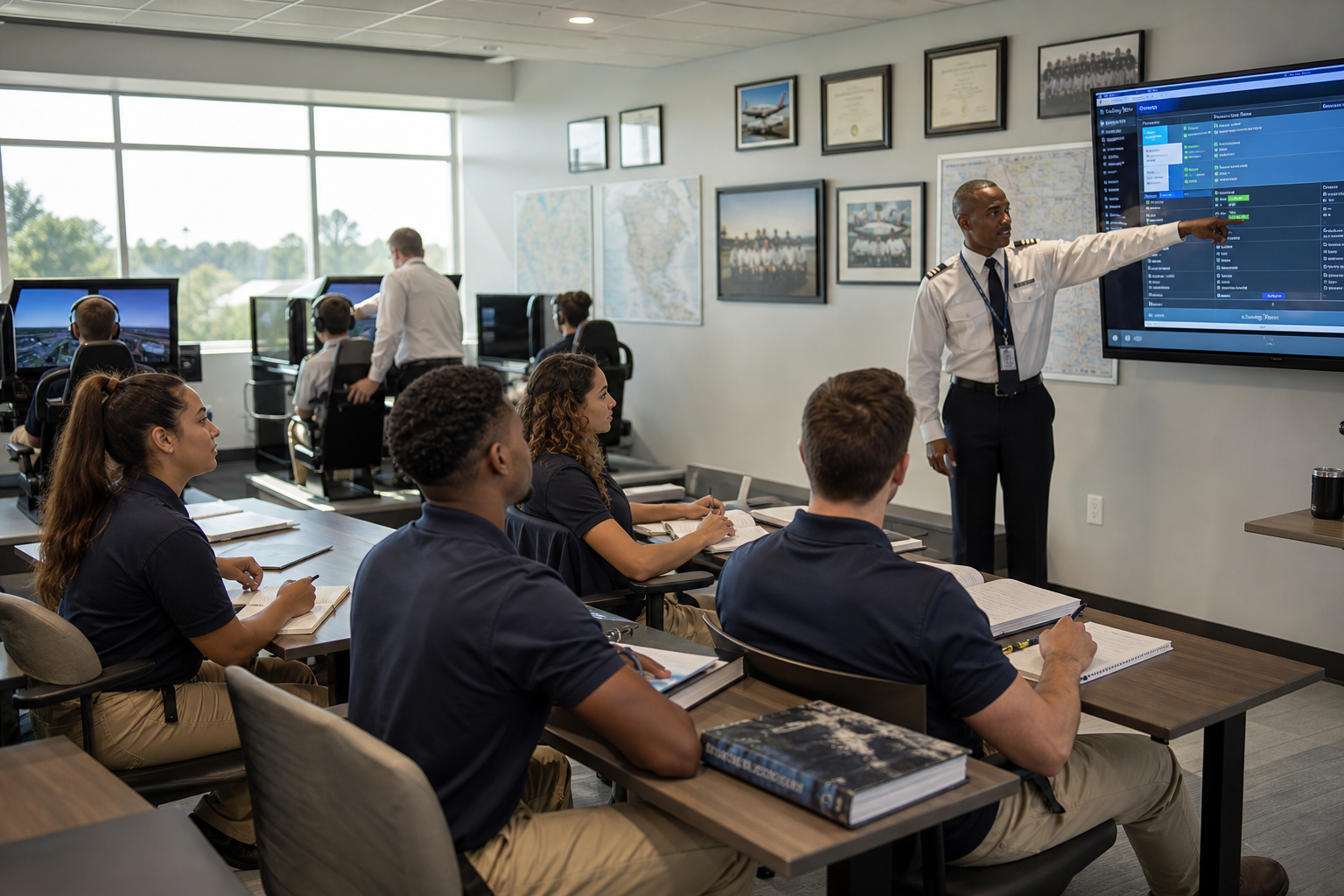
Certification renewals stack up. Scheduling conflicts cascade across your fleet. An inspector arrives, and your training records are scattered across three separate systems.
These are real operational pressures that training managers and chief flight instructors face daily. And the root cause is almost always the same: pilot training management that hasn't kept pace with your operation's complexity.
This article explains what pilot training management looks like in 2026, why it matters for audit readiness, and how flight schools can structure certification tracking and training scheduling in a single connected system.
Key Takeaways: What Is Pilot Training Management in 2026
- Pilot training management covers certification tracking, scheduling, compliance records, and student progression in one structured workflow.
- Audit-ready recordkeeping depends on training data being connected to scheduling and maintenance visibility across your operation.
- Regulatory bodies like the FAA and EASA increasingly expect flight schools to maintain digital, standardized documentation.
- FlightLogger centralizes certification tracking, scheduling, and compliance oversight so your records stay audit-ready by default.
- A unified approach to training administration eliminates the gaps that create compliance risk during inspections.
What Is Pilot Training Management?
Pilot training management is the structured coordination of every activity involved in preparing student pilots for certification. That includes scheduling lessons, tracking flight hours, documenting instructor evaluations, managing aircraft assignments, and maintaining records that satisfy regulatory requirements.
For flight schools operating under FAA Part 141 or EASA frameworks, training management isn't optional. It's the operational backbone that connects what happens on the tarmac to what an inspector reviews during an audit.
When these activities run through disconnected workflows, gaps appear. Missed sign-offs. Expired instructor qualifications. Aircraft scheduled for training while maintenance is pending. A structured training management approach prevents those gaps from compounding.
Why Pilot Training Management Matters for Audit Readiness
Audits don't fail because of one missing record. They fail because of patterns: inconsistent documentation, records that don't match scheduling history, or certification milestones that can't be verified against training logs.
Audit readiness is a daily outcome, not a quarterly project. When your certification tracking, lesson documentation, and instructor scheduling live in one system, compliance becomes part of how your team already works.
According to the FAA's Safety Management System (SMS) framework, flight training organizations benefit from structured safety and quality assurance processes that are embedded in daily operations rather than treated as separate administrative tasks.
What Does Certification Tracking Include?
Certification tracking covers every milestone a student must reach before earning a pilot certificate. For a typical Part 141 program, that means documenting completion of ground school modules, solo flight requirements, stage checks, practical test readiness, and instructor sign-offs at each phase.
Each of these records needs to be accurate, timestamped, and retrievable. When an inspector reviews your documentation, they're looking for evidence that training followed the approved course outline and that each student's progress matched the required sequence.
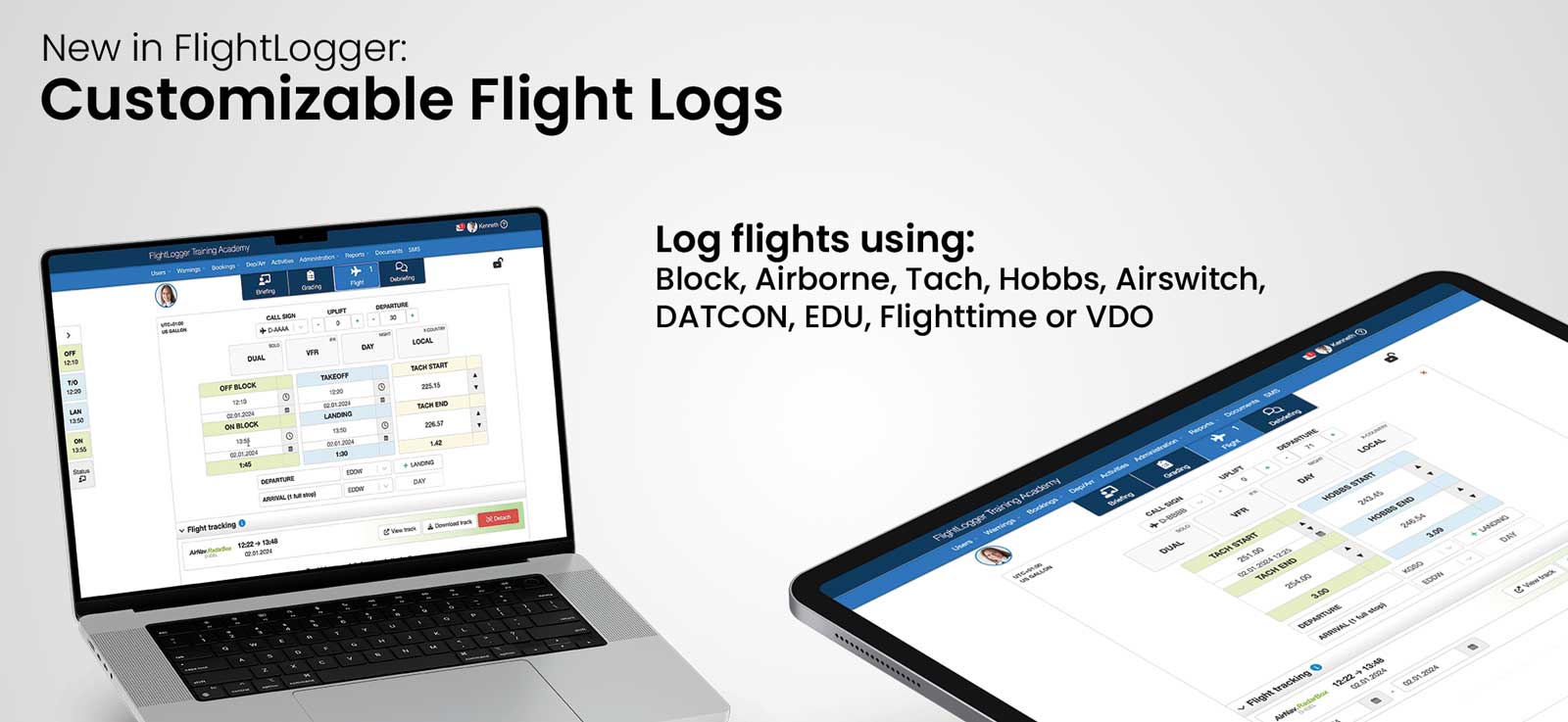
FlightLogger tracks certification milestones and instructor evaluations as part of daily training activity. Because this data connects directly to scheduling and student progression records, your documentation reflects what actually happened during each lesson.
How Training Scheduling Supports Pilot Certification
Scheduling in a flight school isn't just calendar management. Every booking affects aircraft availability, instructor qualifications, maintenance windows, and student progression timelines.
When scheduling operates separately from training records, coordination breaks down. A student gets booked with an instructor who isn't rated for the next lesson type. An aircraft assigned to a training flight is overdue for a maintenance check. These conflicts cost time, delay certifications, and create documentation gaps.
Connected scheduling addresses this by linking aircraft, instructors, and students to training program requirements in real time. This means your team can see availability, qualifications, and training progress before confirming any booking.
What Happens When Scheduling and Training Records Are Disconnected?
Disconnected systems create a specific set of operational risks. Instructors can't see updated student progress before a lesson. Scheduling changes don't cascade to maintenance or aircraft readiness logs. Compliance reports pull from one source while actual training data lives in another.
The result is inconsistency. And in a regulated training environment, inconsistency is what triggers audit findings.
How Flight Schools Can Standardize Pilot Training Records
Standardization means every instructor, at every location, documents training activities in the same structured format. Lesson completions, grading criteria, evaluation notes, and sign-offs follow a consistent workflow regardless of who conducts the training.
For multi-campus operations, this becomes even more critical. A student who trains at two locations should have one unified training record, not two sets of files that need to be reconciled before an audit.
FlightLogger enforces standardized workflows across locations, instructors, and training programs. This consistency is what makes records audit-ready without additional preparation. As highlighted by the Flight Safety Foundation, a structured training management system is key to refining flight training programs and supporting operational quality.
What Role Does Maintenance Visibility Play in Training Management?
Maintenance and training scheduling are operationally linked. An aircraft grounded for an unplanned inspection disrupts every lesson and student booking tied to it. When maintenance schedules aren't visible to training managers, your team reacts to disruptions instead of preventing them.
Connecting maintenance readiness to your training schedule means planned inspections are blocked automatically. Your dispatchers and instructors see which aircraft are available before confirming bookings. This reduces last-minute cancellations and keeps students progressing on schedule.
How CBTA Fits Into Modern Pilot Training Management
Competency-Based Training and Assessment (CBTA) is gaining traction across EASA and ICAO member states as the standard for evaluating pilot readiness. Rather than measuring only flight hours, CBTA tracks whether a student demonstrates specific competencies at each stage of training.
For training managers, CBTA introduces new documentation requirements. Competency assessments, behavioral evaluations, and evidence-based grading all need to be captured alongside traditional flight records. A CBTA-aligned training platform structures these assessments so they're recorded consistently and linked to the student's overall progression.
What to Look for in an Aviation Training Management System
Not every platform is built for the specific demands of flight training. A system designed for aviation should connect scheduling, student records, certification tracking, maintenance coordination, and compliance reporting in one place.
Key capabilities to evaluate:
- Real-time scheduling connected to aircraft, instructor, and student availability
- Digital training records with structured grading and instructor sign-offs
- Certification milestone tracking tied to approved course outlines
- Maintenance visibility integrated with operational scheduling
- Audit-ready reporting that pulls from a single data source
- Multi-campus support with standardized workflows across locations
FlightLogger is built specifically for flight school compliance and training operations, connecting all of these workflows in one platform used by 220+ organisations across 50+ countries.
In Conclusion: Building Audit-Ready Pilot Training Operations
Pilot training management in 2026 comes down to operational structure. Certification tracking, training scheduling, compliance records, and maintenance visibility need to work as a connected system, not a collection of isolated tasks.
For flight school instructors and training managers, the operational priority is clear: build a single source of truth that keeps your records accurate, your scheduling coordinated, and your operation audit-ready every day.
FlightLogger never sleeps, so your operation keeps moving, even as requirements evolve.
FAQs About Pilot Training Management in 2026
What is pilot training management?
Pilot training management is the structured coordination of scheduling, certification tracking, instructor assignments, student progression, and compliance records across a flight school's operation. FlightLogger connects all of these workflows in one platform, helping flight schools stay organized and audit-ready.
Why is certification tracking important for flight schools?
Certification tracking ensures every student milestone, from solo flights to stage checks, is documented accurately and linked to the approved training program. Without structured tracking, flight schools risk gaps in records that can lead to audit findings.
How does training scheduling affect pilot certification timelines?
Disconnected scheduling can delay student progression by creating conflicts between aircraft availability, instructor qualifications, and training requirements. FlightLogger links scheduling to training records so students progress through their programs without unnecessary bottlenecks.
What does an audit-ready flight school look like?
An audit-ready flight school maintains accurate, real-time training records, instructor documentation, scheduling history, and compliance reports. FlightLogger helps you build this structure into daily operations so records are always current when inspectors arrive.
Can one platform manage certification tracking and scheduling together?
Yes. A purpose-built aviation training management system connects certification milestones, lesson scheduling, instructor availability, maintenance readiness, and compliance reporting in one place. This eliminates the gaps that occur when flight schools run these functions through separate systems.